
Modern data centers must be built faster, last longer, and operate with near-zero structural risk. Traditional steel reinforcement introduces corrosion exposure, maintenance uncertainty, and long-term lifecycle cost—especially in below-grade and moisture-exposed concrete.
Basalt Fiber Reinforced Polymer (BFRP) reinforcement offers a smarter path forward:
Corrosion-proof durability, lightweight installation, and long-term reliability engineered for mission-critical infrastructure.
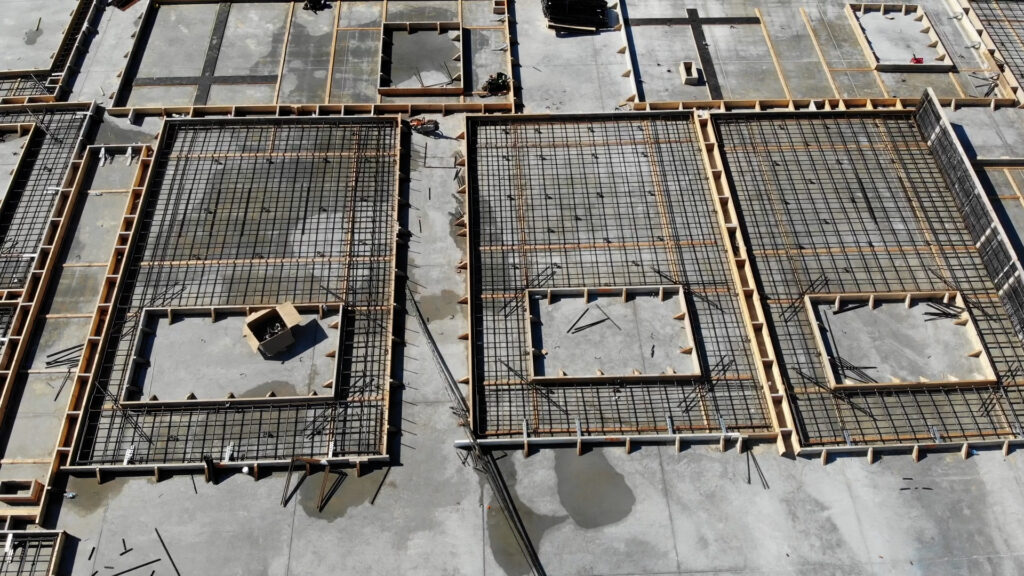
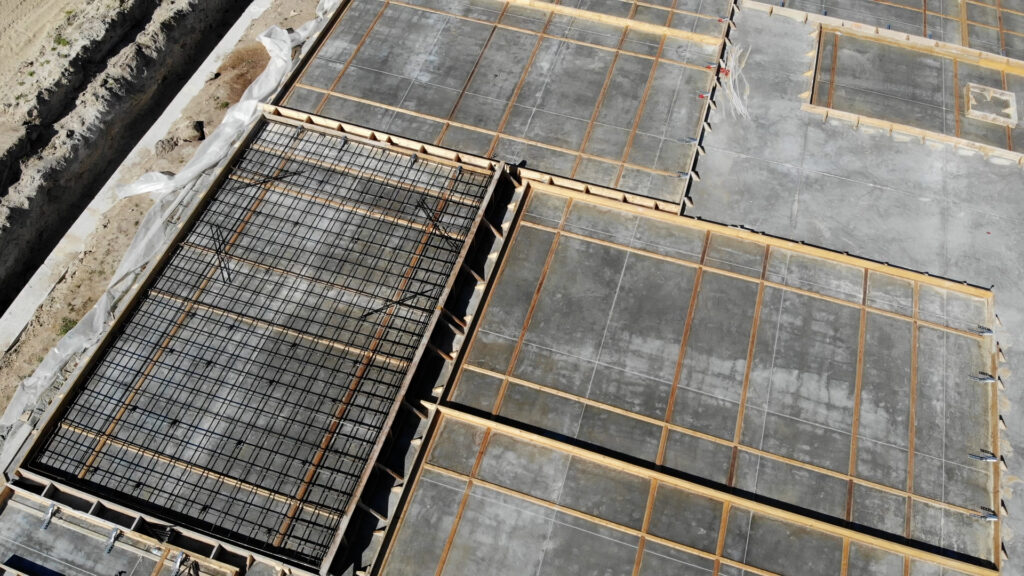
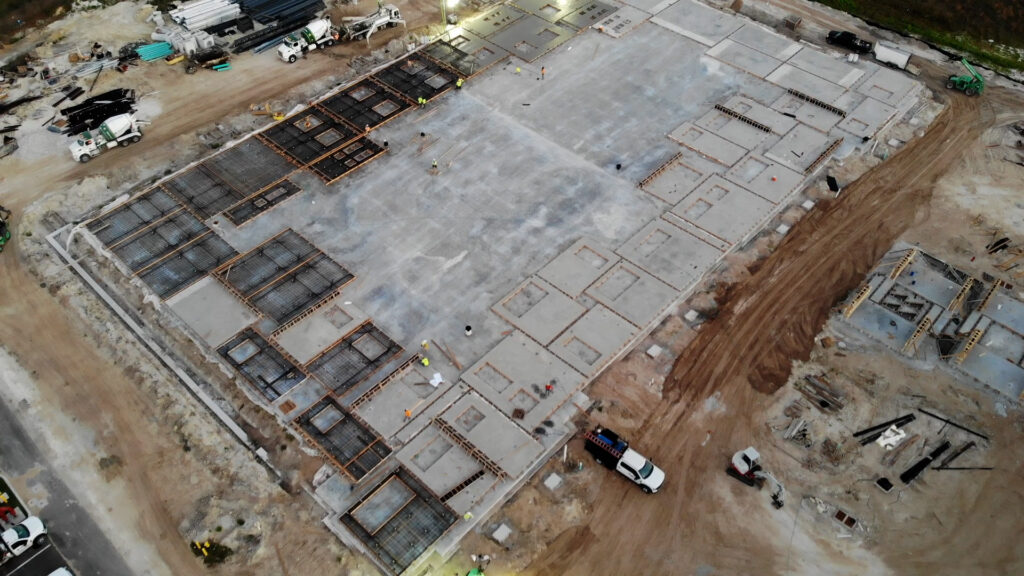
Will not corrode in moisture, chlorides, or aggressive soils
Non-conductive and non-magnetic for electrically dense environments
Up to ~75% lighter than steel for faster placement and reduced labor
Lower lifecycle maintenance cost for long-term owners
Ideal for coastal, humid, and high-reliability sites
Even well-designed steel-reinforced concrete can deteriorate when exposed to:
Ground moisture
Chlorides in soil or deicing chemicals
Cooling tower drift and chemical exposure
Over time, corrosion leads to cracking, spalling, repairs, and operational disruption—all unacceptable in mission-critical data centers.
BFRP reinforcement does not corrode.
That single advantage can dramatically improve service life, reliability, and maintenance predictability.
Best-fit locations include:
Foundations and grade beams
Slab-on-grade construction
Exterior generator and transformer pads
Cooling and utility structures
Steel reinforcement is conductive and magnetic—creating potential complexity around:
Grounding systems
Fault-current pathways
Sensitive electronic infrastructure
BFRP is non-conductive and non-magnetic, making it a natural fit for:
High-voltage equipment pads
Grounding-adjacent concrete
Fiber and communications infrastructure zones
For data centers, that means simpler design considerations and reduced electromagnetic concerns.
Data center economics are driven by speed to operation.
Every week saved means earlier revenue generation.
Because BFRP is significantly lighter than steel, crews benefit from:
Easier carrying and staging
Faster positioning and tying
Reduced fatigue during repetitive placement
Lower transportation weight
Result:
Faster reinforcement installation that helps keep critical construction schedules on track.
True sustainability in structural concrete comes from lasting longer and repairing less.
BFRP reinforcement contributes by:
Extending structural service life
Reducing repair-related material consumption
Lowering long-term embodied carbon
Supporting ESG and durability initiatives
For developers under sustainability pressure, durability is a powerful environmental advantage.
BFRP is especially valuable in concrete exposed to moisture, salts, or electrical sensitivity, including:
Foundations and mat slabs
Slab-on-grade systems
Generator and transformer pads
Cooling basins and containment
Underground utilities and duct banks
Perimeter site concrete
These are the locations where steel is most vulnerable—and BFRP performs best.
As digital infrastructure expands, owners are prioritizing durability, reliability, and lifecycle certainty alongside speed.
BFRP reinforcement delivers all three—providing corrosion-free performance, faster installation, and long-term structural confidence for mission-critical facilities.
Click Here to get support from the Basalt Engineering team on project-specific guidance, technical data, and specification support.